Just last month, I was consulting a small artisan bakery in rural Vermont. They had a beautiful website, great products, but their online visibility was abysmal. They kept asking, “Why aren’t people finding us when they search for ‘bakery near me’?” This isn’t just about having a website; it’s about understanding how the digital world connects to the physical one. The core of their problem, and a common one for many small businesses, lay in a fundamental misunderstanding of what is geo in SEO.

Foto oleh Atlantic Ambience via Pexels
It’s easy to assume that if you have a physical location, Google will just ‘know’ where you are. But the reality is far more nuanced. Many beginners, and even some seasoned marketers, often miss the foundational elements that truly make a local business discoverable. It’s not just about proximity; it’s about relevance, prominence, and a whole lot of trust signals that Google picks up.
The First Misstep Many Make in Local Search
When I first started in SEO over a decade ago, local search was far simpler. You put your address on your website, maybe listed it in a few directories, and you were pretty much set. Today, that approach is a recipe for being invisible. I recall a client, a plumbing service in suburban London, who was convinced their website’s global ranking was enough. They had great organic traffic for general plumbing queries, but almost zero local leads.
The issue wasn’t their overall SEO; it was their complete neglect of geo-specific signals. They hadn’t claimed their Google Business Profile, their service pages lacked any specific location references beyond a single contact page, and their citations were inconsistent. It was a glaring gap that many simply don’t consider until their local competitors start eating their lunch.
Why ‘Near Me’ Searches Demand More Than Just an Address
People searching for ‘near me’ expect immediate, hyper-relevant results. Google’s algorithm has evolved to deliver this by analyzing a complex web of signals. It’s not just about the searcher’s location, but also the business’s location, its reputation, and the quality of its local information. This requires a proactive, rather than passive, approach to geographic SEO.
Think about it: if you’re looking for a coffee shop, you don’t just want one that’s close; you want one that’s open, has good reviews, and perhaps offers the specific type of coffee you like. These are all factors influenced by how well a business has optimized its local presence. Ignoring these details means you’re leaving a lot of potential customers on the table.
What is Geo in SEO Really About: Building Your Digital Foundation
At its heart, understanding what is geo in SEO means recognizing that search engines treat local queries differently. It’s about optimizing your online presence to attract customers within a specific geographic area. This goes far beyond just having your address on your contact page; it’s about creating a comprehensive digital footprint that signals your local relevance to Google.
The first critical step, and one I always emphasize with new clients, is to claim and fully optimize your Google Business Profile (GBP). This is your primary storefront in local search results and Google Maps. Without it, you’re essentially invisible in the most important local directory. Fill out every single field: services, hours, photos, Q&A, and a compelling description. This profile acts as a central hub for your local information.
The Power of Consistency: NAP Data Across the Web
Once your GBP is dialed in, the next crucial step is ensuring Name, Address, and Phone number (NAP) consistency across all online platforms. This seems trivial, but it’s a massive trust signal for Google. Inconsistent NAP data can confuse search engines, making them less confident in your business’s legitimacy and location. I once worked with a dentist who had moved offices a year prior but hadn’t updated his address on half a dozen old directories. It took months to untangle that mess.
Everywhere your business is listed online – Yelp, Facebook, local chambers of commerce, industry-specific directories – that NAP data must be identical. Even a slight variation, like ‘St.’ vs. ‘Street’, can cause issues. This meticulous attention to detail is foundational for any successful local SEO strategy. It’s a tedious but absolutely essential task for beginners.
Pinpointing Your Audience: Crafting Hyper-Local Content & Citations
With your foundation set, the next phase in mastering what is geo in SEO involves creating content and building citations that speak directly to your local audience. This means moving beyond generic service descriptions to content that integrates local landmarks, events, and community issues. For that Vermont bakery, we started writing blog posts about ‘Best Hiking Trails Near Our Bakery’ and ‘Local Vermont Maple Syrup in Our New Pastries’.
This kind of content doesn’t just attract local searchers; it also signals to Google that you are an integral part of the local community. It shows relevance beyond just your physical address. Furthermore, actively seeking out local citations – mentions of your business on other local websites – amplifies this signal. Think local news sites, community blogs, or even sponsorships of local sports teams that get you a mention on their website.
How Do Local Reviews Impact My Geographic SEO?
Customer reviews are an incredibly powerful, yet often underutilized, component of local SEO. Positive reviews on your Google Business Profile, Yelp, and other relevant platforms not only build trust with potential customers but also serve as a strong ranking factor for Google. The volume, velocity, and diversity of reviews all play a role. It’s not enough to just have a few; you need a consistent stream of genuine feedback.
Encourage satisfied customers to leave reviews, but never incentivize them in a way that violates platform guidelines. Respond to all reviews, positive and negative, demonstrating that you are engaged and value customer feedback. This interaction further boosts your local authority and trustworthiness in Google’s eyes.
Overlooked Tactics for Boosting Geographic SEO Rankings
Many beginners stop at GBP optimization and basic NAP consistency. However, truly effective geo-optimization involves a few more advanced, yet accessible, tactics. One often-overlooked area is optimizing your website’s internal linking structure and metadata for local intent. For instance, if you’re a multi-location business, each location should have its own dedicated page, optimized with local keywords, unique content, and a localized NAP.
These individual location pages should then be linked strategically throughout your site. Beyond this, consider schema markup. Implementing local business schema on your website provides search engines with structured data about your business, making it easier for them to understand your location, services, and contact information. This is a technical step, but there are many user-friendly tools that simplify the process for beginners.
read also: 7 Proven Local SEO Strategies for Small Businesses
What About Geo-Targeting on Social Media? Does That Help?
Absolutely. While not a direct ranking factor for Google’s local pack, geo-targeting your social media efforts can significantly enhance your local presence and drive relevant traffic. Platforms like Facebook and Instagram allow you to target ads and content to specific geographic areas, ensuring your promotions reach the right local audience. This can lead to increased brand awareness, direct traffic to your website, and even more local reviews, all of which indirectly support your local SEO efforts.
Engaging with local community groups, using location-specific hashtags, and running local contests on social media further cement your business’s presence within the community. It creates a holistic local digital footprint that Google increasingly values.
Sustaining Momentum: Monitoring and Adapting Your Local Presence
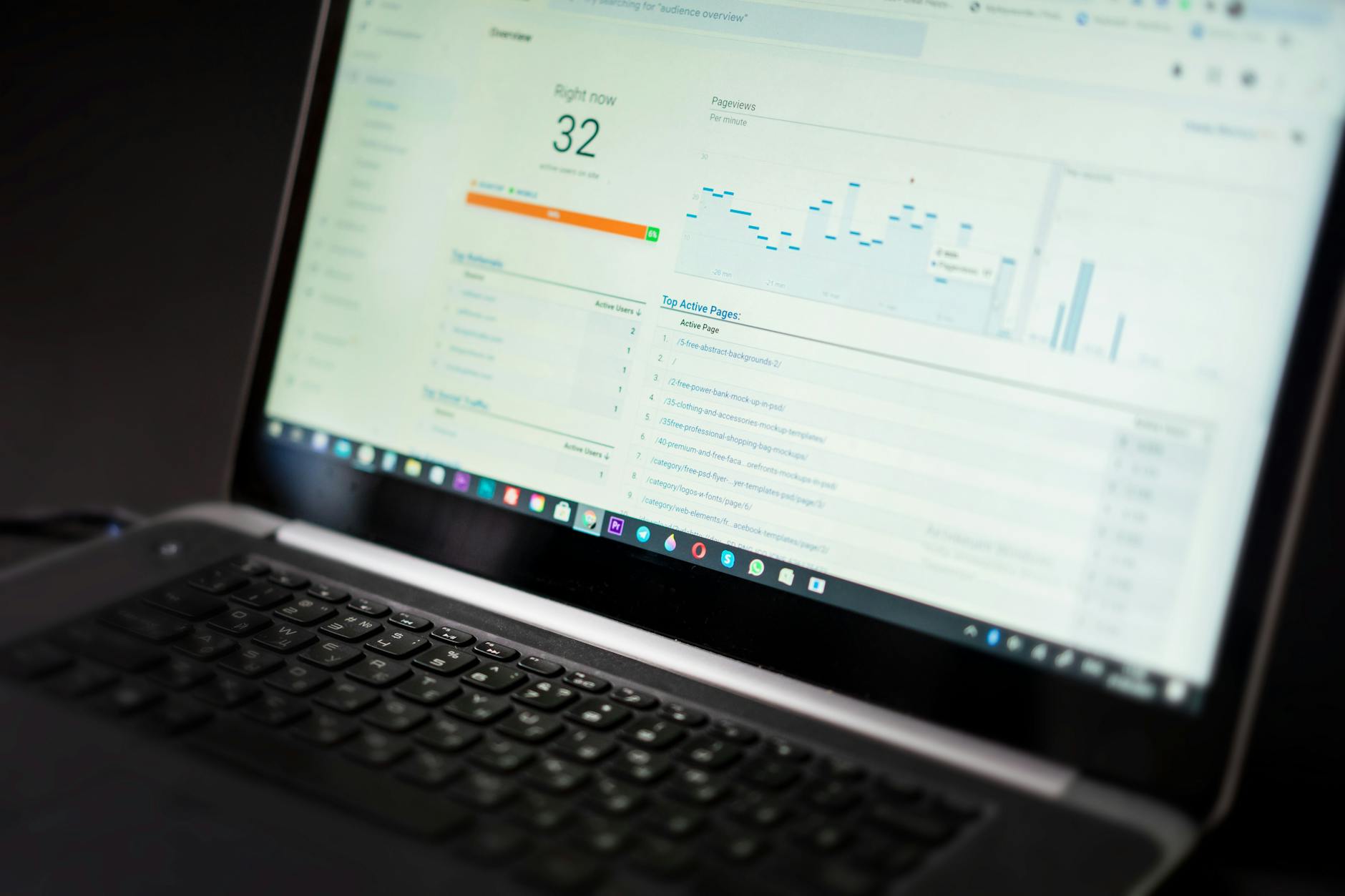
Geo-optimization isn’t a ‘set it and forget it’ task. The local search landscape is constantly evolving, with new Google algorithm updates and competitor activity. Regularly monitoring your local rankings, review sentiment, and Google Business Profile insights is crucial. Tools like Google Analytics and Google Search Console offer valuable data on how local users are finding and interacting with your business online.
I advise clients to set aside dedicated time each month to review their local performance. Are new competitors appearing in the local pack? Are your reviews slipping? Is your NAP data still perfectly consistent across all platforms? Adapting your strategy based on this data ensures you maintain your local search advantage. It’s an ongoing process of refinement and responsiveness.
For example, if you notice a competitor suddenly outranking you, investigate their GBP, their website’s local content, and their review strategy. There’s often a specific tactic they’ve employed that you can learn from or adapt. Staying agile is key.
The journey to mastering what is geo in SEO can feel complex, but it boils down to meticulous attention to detail and a commitment to serving your local community both online and off. It’s about building trust, relevance, and prominence where it matters most: right in your own backyard. Start with these steps, and you’ll be well on your way to truly owning your local search results.