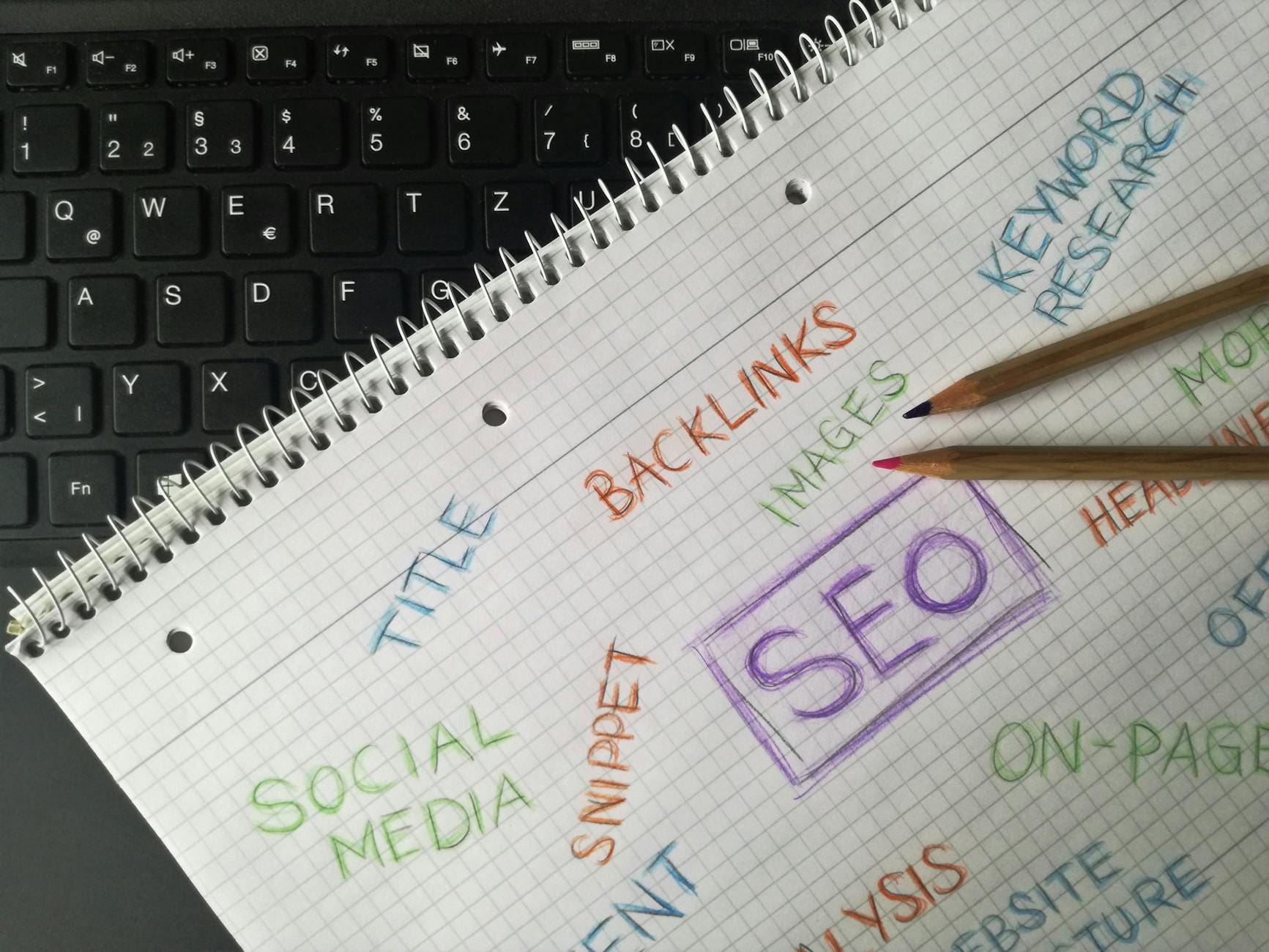
March 27, 2026. The world of SEO is always shifting, but in recent years, the acceleration has been dizzying. If you’re not paying attention to seo ai tools, you’re already behind. My journey in SEO spans over a decade, and I’ve seen every hype cycle come and go, but AI isn’t just a trend; it’s a fundamental shift in how we approach search optimization. These aren’t just fancy gadgets; they are powerful allies.

Foto oleh Tobias Dziuba via Pexels
When I first started dabbling with AI in my SEO workflow, it felt like I was unlocking superpowers. Suddenly, tasks that took hours, or even days, could be done in minutes. From content generation to intricate technical audits, the right seo ai tools have become indispensable for me. They allow me to focus on strategy rather than getting bogged down in repetitive manual tasks. Let’s dive into what’s real and what’s just noise.
The AI Revolution in SEO: Beyond the Hype
Many people still view AI in SEO with a mix of skepticism and fear, often imagining robots taking over completely. But that’s a misunderstanding. Artificial intelligence, especially in SEO, is about augmentation, not replacement. It’s about empowering us to work smarter, faster, and with more precision than ever before. This isn’t just theory; it’s what I’ve experienced firsthand.
What AI Really Means for Your SEO Strategy
AI helps us process vast amounts of data, identify patterns, and make predictions that would be impossible for a human to do manually. Think about analyzing competitor backlinks, understanding user intent from millions of search queries, or identifying content gaps across an entire industry. AI algorithms excel at these complex analytical tasks. This means better decisions, quicker adjustments, and ultimately, more effective SEO campaigns.
For example, I remember a time when keyword research involved endless spreadsheets and hours of manual sorting. Now, AI-powered tools can generate thousands of relevant keywords, cluster them by intent, and even suggest content topics in a fraction of that time. This frees up my team to focus on crafting truly compelling content and building valuable relationships, rather than just crunching numbers.
My First Forays into AI-Powered Optimization
My initial experiments with AI in SEO were cautious. I started with simple content optimization tools, using them to check readability and keyword usage. The results were immediate; my content became more engaging and started ranking better. This early success pushed me to explore further, leading me down a path of integrating more sophisticated AI-powered SEO tools into my daily routine. It was a game-changer for my agency.
I distinctly recall one project where a client’s website had a massive amount of outdated content. Manually auditing and optimizing it would have taken months. With an AI content audit tool, we identified low-performing pages, suggested improvements, and even drafted updated meta descriptions within weeks. That kind of efficiency simply wasn’t possible before. It truly opened my eyes to the potential.
Essential SEO AI Tools I Actually Use (and Why)
Over the years, I’ve tested countless seo ai tools. Some were duds, some were overhyped, but a select few have proven their worth time and again. These are the workhorses that have become indispensable in my arsenal, helping me achieve consistent results for my clients and my own projects. They cover various aspects of SEO, from content to technical optimization.
Content Creation & Optimization with AI
This is probably where AI has made the most visible impact. Tools like Jasper.ai or Surfer SEO use AI to help generate content ideas, write compelling copy, and optimize existing articles for search engines. They analyze top-ranking content, identify crucial keywords and entities, and provide real-time suggestions to improve your content’s relevance and depth. I use them not to replace writers, but to empower them.
For instance, when I’m tackling a new topic, I’ll often use an AI content brief tool to outline the key sections and subtopics that Google expects to see. This ensures comprehensive coverage and helps me structure my articles for maximum impact. It’s like having an incredibly fast research assistant. For more detailed insights into specific tools, you might want to read also: 7 Game-Changing AI SEO Tools I Trust (10+ Years Experience).
Keyword Research & Competitive Analysis Reinvented
Forget manual keyword digging. AI has transformed this process. Tools like Semrush and Ahrefs now incorporate AI to uncover hidden keyword opportunities, analyze competitor strategies at scale, and predict keyword difficulty with greater accuracy. They can identify long-tail keywords you’d never find manually and cluster them by user intent, saving countless hours.
My personal experience with AI in this area has been astounding. I once used an AI tool to analyze a competitor’s entire content strategy, identifying their top-performing articles and the precise keywords they targeted. This intelligence allowed us to craft a superior content plan that quickly outranked them. It felt like having a crystal ball, predicting market moves.
Technical SEO Audits, Supercharged by AI
Technical SEO often feels like a dark art, but AI is shedding light on it. Tools can now crawl websites, identify complex issues like broken internal links, crawl budget inefficiencies, and even suggest schema markup improvements. They go beyond basic checks, providing actionable insights that would require an army of human auditors to uncover. This is an area where AI for search optimization truly shines.
I remember a particularly stubborn website with persistent indexing issues. After running it through an AI-powered technical SEO tool, it pinpointed a series of cascading redirect chains and canonicalization errors that had eluded us for weeks. The fix was relatively simple once identified, but the diagnosis was purely thanks to the AI’s ability to process and interpret vast logs quickly.
Avoiding the Pitfalls: Common Mistakes with SEO AI Tools
While seo ai tools offer incredible advantages, they aren’t magic wands. I’ve seen many practitioners, both new and experienced, fall into common traps that negate their benefits. Understanding these pitfalls is crucial for leveraging AI effectively. It’s about smart implementation, not just throwing technology at a problem.
The “Set It and Forget It” Trap
This is perhaps the biggest mistake. AI tools automate tasks, but they don’t eliminate the need for human oversight and strategic thinking. If you simply let an AI tool generate content or make recommendations without review, you risk producing low-quality, generic, or even inaccurate results. AI is a co-pilot, not an autopilot. Always review, refine, and add your unique human touch.
I once experimented with fully automated content generation for a small niche site. While it produced articles quickly, they lacked depth, personality, and often missed subtle nuances that human readers expect. The site’s engagement dropped significantly. It was a harsh but valuable lesson: AI needs human guidance to truly excel.
Over-reliance on Automation
Another pitfall is becoming overly dependent on automation to the point where you lose your own critical thinking skills. SEO is dynamic; algorithms change, user behavior evolves. If you don’t understand the underlying principles, you won’t know when an AI tool’s recommendations are outdated or incorrect. My advice? Use AI to augment your knowledge, not replace it. Stay curious, stay updated.
Can AI truly replace human SEO experts?
No, not entirely. AI excels at data analysis, pattern recognition, and automation. However, human SEO experts bring strategic thinking, creativity, empathy for user intent, and the ability to adapt to complex, unpredictable scenarios. AI tools are powerful assistants, but the strategic mind behind the wheel remains human.
The Future is Now: Evolving Your Strategy with SEO AI Tools
The landscape of search is constantly evolving, and AI is at the forefront of this change. What we see today with seo ai tools is just the beginning. As AI models become more sophisticated, their integration into our workflows will deepen, offering even more precise and predictive capabilities. This means we must continually adapt our strategies.
Personalized Search Experiences
Google is already personalizing search results based on user history, location, and intent. AI tools will become crucial in understanding these personalization signals and helping us optimize content for a more fragmented, individualized search experience. It’s no longer just about ranking for a keyword, but ranking for the right person at the right time. This is a complex challenge that AI can help unravel.
For instance, imagine an AI tool that can predict which specific content format (video, article, infographic) a user is most likely to engage with based on their historical behavior. This level of predictive analytics, powered by AI, allows for hyper-targeted content strategies. Artificial intelligence itself is a field rapidly advancing, and its application in search will only grow.
Real-time Optimization and Adaptation
The dream of real-time SEO optimization is becoming a reality thanks to AI. Tools can monitor performance metrics, analyze search trends, and even suggest immediate content adjustments or technical fixes. This allows for agile SEO strategies that can respond to market changes within hours, not weeks. This responsiveness is a significant competitive advantage in today’s fast-paced digital world.
What’s the biggest misconception about SEO AI tools?
The biggest misconception is that they are a ‘magic bullet’ for SEO success. While powerful, AI tools require skilled human input and strategic thinking to be effective. They automate tasks, but don’t replace the need for a deep understanding of SEO principles and user psychology.
How do I choose the right AI tools for my business?
Start by identifying your biggest SEO pain points. Are you struggling with content creation, keyword research, or technical audits? Then, research tools specifically designed to address those issues. Look for user reviews, free trials, and ensure the tool integrates well with your existing workflow. Don’t try to buy every tool; focus on those that solve your specific problems.
Is it expensive to integrate AI into my SEO workflow?
The cost varies widely. Some basic AI features are integrated into existing SEO platforms, while specialized tools can have higher subscription fees. Consider the return on investment (ROI). The time saved and the improved performance often justify the cost, making it a worthwhile investment for serious practitioners. Many offer free tiers or trials, so you can test before committing.
Embracing seo ai tools isn’t optional anymore; it’s essential for staying competitive. My decade-plus in this field has taught me that adaptability is key, and AI offers an unparalleled opportunity to adapt and thrive. Don’t be afraid to experiment, learn, and integrate these powerful allies into your workflow. The future of SEO is here, and it’s powered by intelligent machines working hand-in-hand with human expertise. Start exploring today, and unlock new levels of efficiency and insight for your SEO efforts.